Russia's Winter War: A Plan to Make Ukrainian Cities Uninhabitable
According to the Guardian, Ukrainian intelligence intercepted a Russian document that maps how to destroy the power, heating and water systems civilians depend on.
This is not simply another wave of attacks on Ukraine's energy infrastructure. According to an investigation published by The Guardian on October 16, Ukrainian intelligence intercepted a Russian document outlining a strategy to systematically destroy the infrastructure that makes civilian life possible.
The reported objective: make life in Ukraine's major cities unbearable.
1The targets: the essentials of human survival
The document reportedly identifies vulnerabilities in Ukraine's electricity generation, heating networks, water supplies and sewage systems. It outlines the weapons needed to damage key facilities and describes how the destruction of electricity infrastructure could trigger a wider municipal crisis.
This is not merely about switching off the lights.
Without electricity, heating systems fail. Without reliable electricity, water pumping stations struggle to operate. Without water and functioning sewage systems, sanitation deteriorates and the risk of disease increases.
For millions of civilians, especially older people, children, hospital patients and those unable to evacuate, the consequences could be devastating.
A city does not need to be occupied to be attacked into a humanitarian catastrophe. It can be made impossible to live in.
2A winter of darkness and cold
According to the Guardian's reporting, the intercepted assessment envisages the destruction of more than 90% of the electricity supply allocated to Kyiv under a worst-case scenario. Expert projections cited in the report warn that blackouts could last as long as 20 hours a day if attacks succeed and repairs cannot keep pace.
Kyiv is home to approximately three million people.
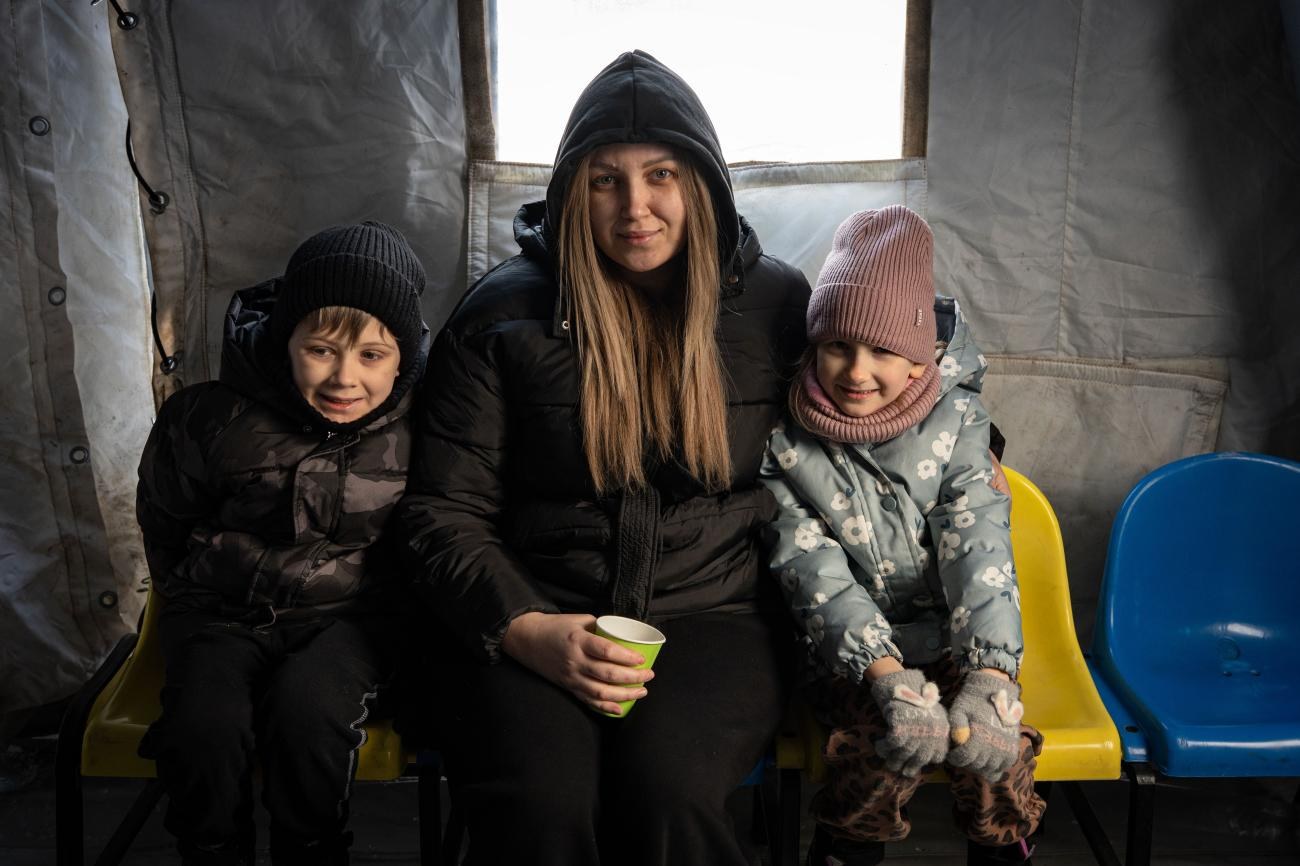
Imagine facing a Ukrainian winter with prolonged power cuts, disrupted water supplies, failing heating infrastructure and repeated missile and drone attacks, while trying to keep hospitals operating and protect children and elderly relatives. This is the humanitarian danger described in the report.
3The strategic objective: pressure the population until the country breaks
The reported document describes a strategy intended to degrade living conditions, create a large-scale crisis in municipal services and force residents to leave major cities.
The consequences would extend far beyond damaged power stations. Mass displacement would place enormous pressure on other Ukrainian regions, local authorities, emergency services and neighbouring European countries.
The goal, according to the reported assessment, is not merely to damage infrastructure. It is to use the suffering of civilians as a means of exerting pressure on Ukraine. That is collective punishment in its most brutal form.
4Why the distinction matters
The Guardian reports that the document's authorship has not been definitively established. European officials familiar with it believe it may have originated from analytical departments connected to the Russian military or intelligence services. Ukrainian officials say the document was intercepted by Ukrainian intelligence.
Those qualifications matter. The document's provenance and the precise relationship between its proposals and individual attacks have not been independently established in full. Nothing in the reporting shows that Vladimir Putin personally ordered this plan.
But the reported contents are deeply alarming, particularly in light of the ongoing attacks on power plants and electricity substations.
The international community must take this threat seriously, reinforce Ukraine's air defences, support rapid repairs to critical infrastructure and prepare emergency assistance for civilians facing prolonged outages.
Electricity, heating, clean water and sanitation are not military luxuries. They are the foundations of civilian survival.
A strategy designed to destroy those foundations and drive millions from their homes must be exposed, investigated and confronted. Ukraine is defending its territory. Its civilians should not have to endure a winter in which the basic necessities of life become weapons of war.
Source: The Guardian, 16 October 2026, as relayed by Ukraine Today, 17 October 2026.
Source: Velaris Brief